
This Economy is Simply Wacky
New York Times writer Jeanna Smialek writes: “Years into the pandemic, it is still difficult to get a handle on what comes next for the economy by looking at examples from the past. Historical data has always been critical to those who make economic predictions. But three years into the pandemic, America is suffering through an economic whiplash of sorts—and the past is proving anything but a reliable guide.”
The artwork, both in print and online, aims to visualize the feeling of complete chaos and a kind of melting of our financial systems, and our trust in them, in light of the inflation, the unstable economy, and everything in the market going against predictions—all struggling to stay afloat while being devoured by the bubbling chaos.
Writer: Jeanna Smialek
Art director: Zak Bickel
Image, animation: Shira Inbar
Published in The New York Times Business
Art director: Zak Bickel
Image, animation: Shira Inbar
Published in The New York Times Business


“Historical data has always been critical to those who make economic predictions.
But three years into the pandemic, America is suffering through an economic whiplash of sorts —
and the past is proving anything but a reliable guide.”
But three years into the pandemic, America is suffering through an economic whiplash of sorts —
and the past is proving anything but a reliable guide.”

We’re Already Living in the Metaverse
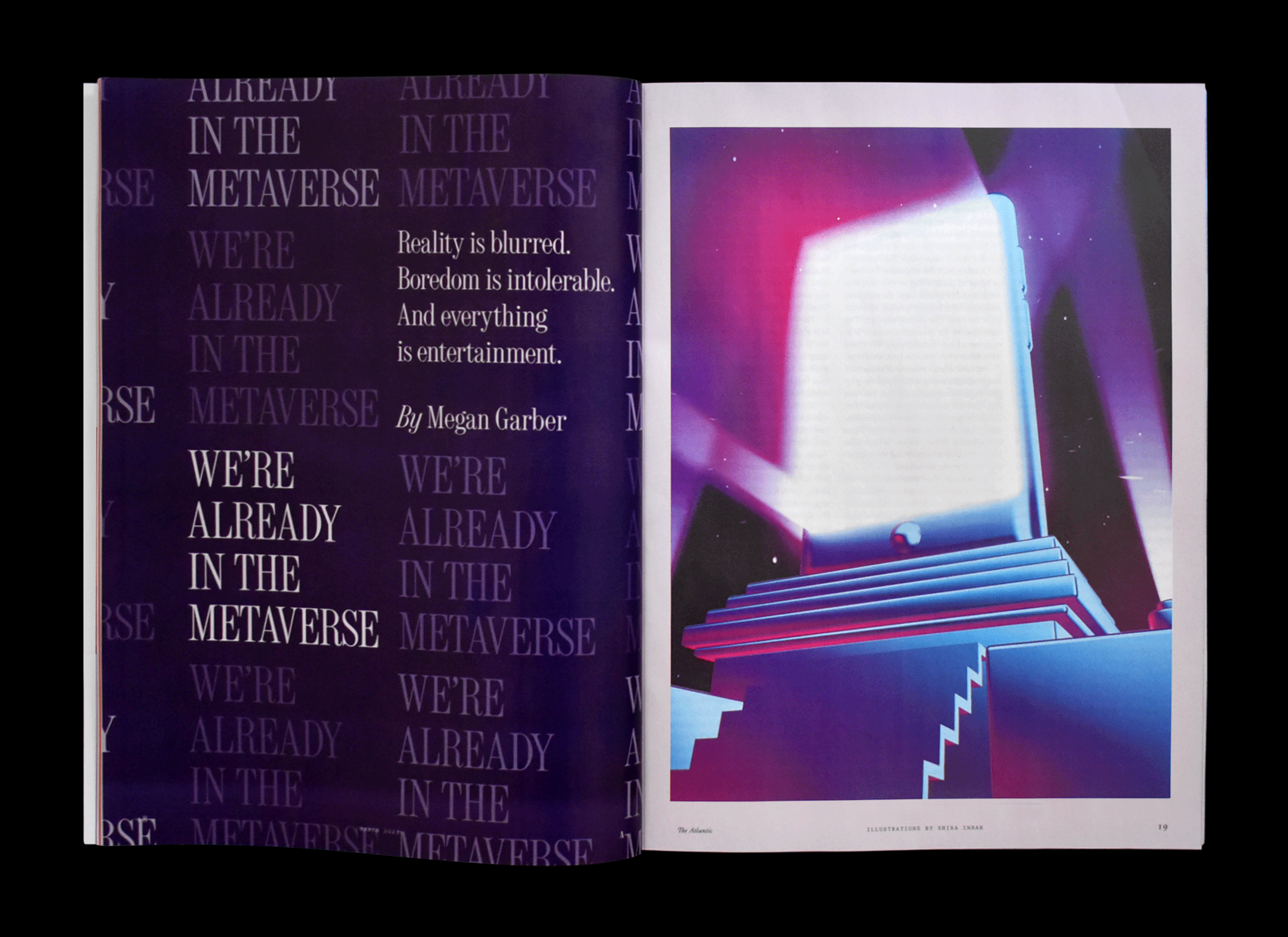
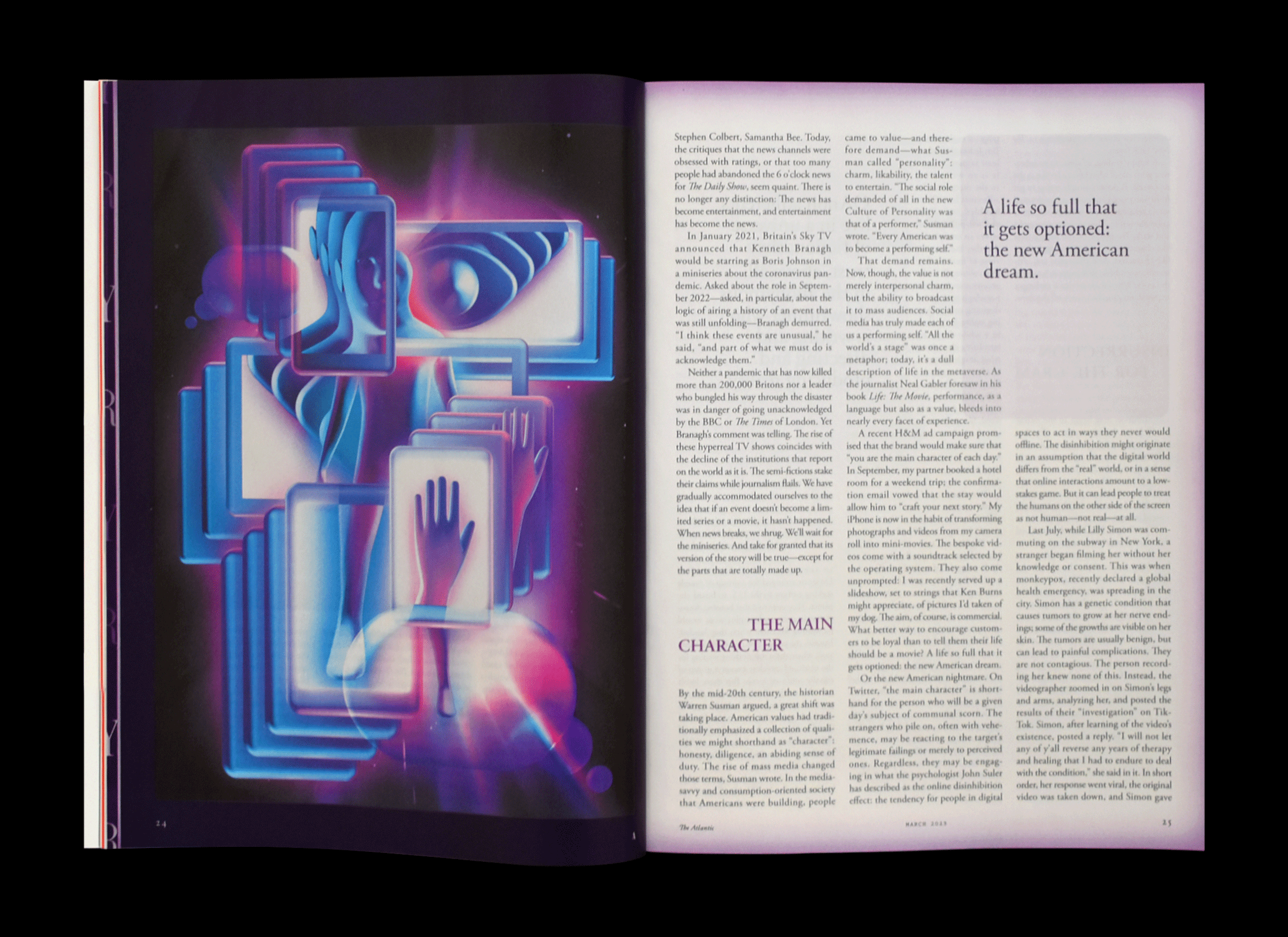
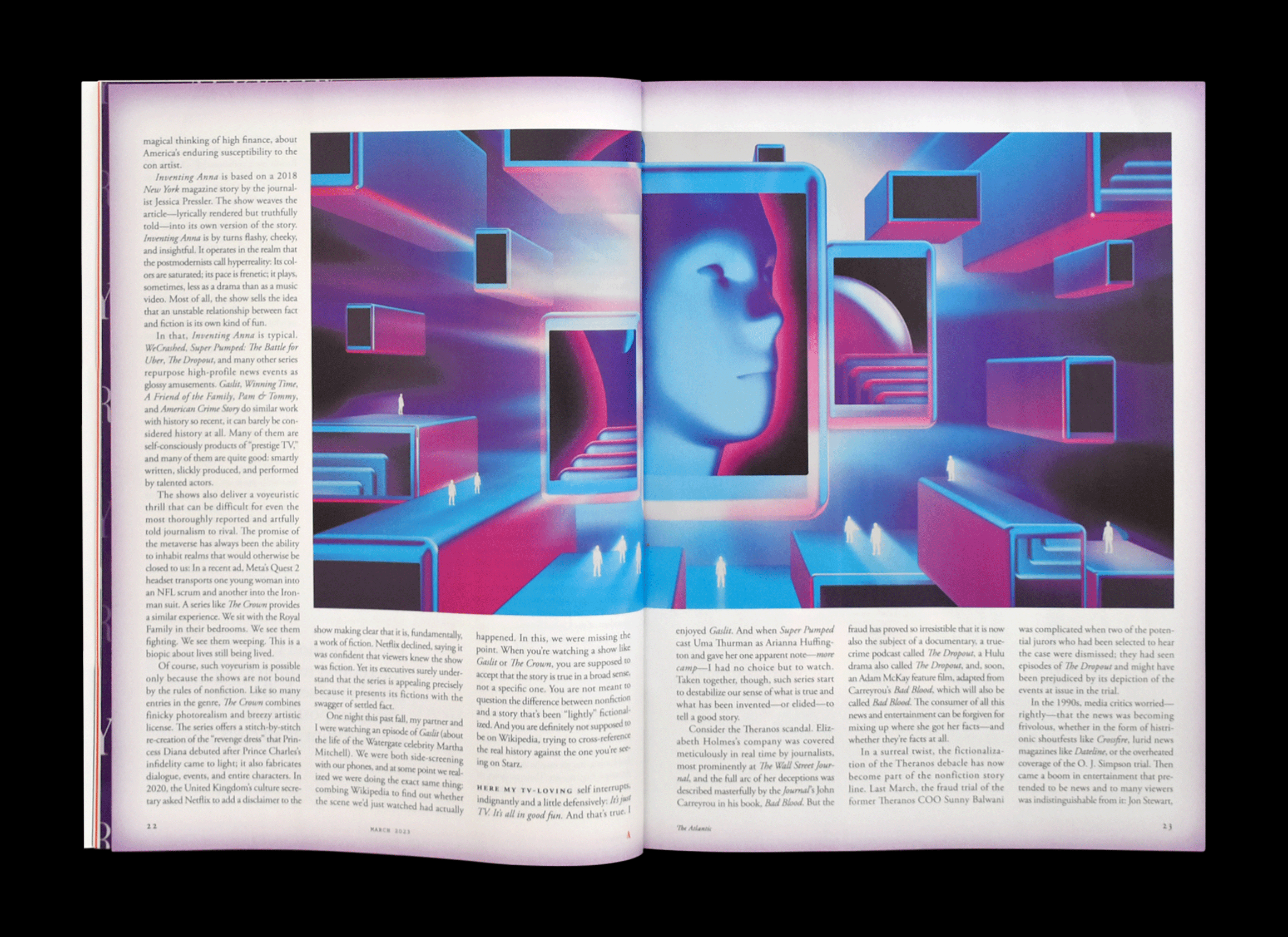
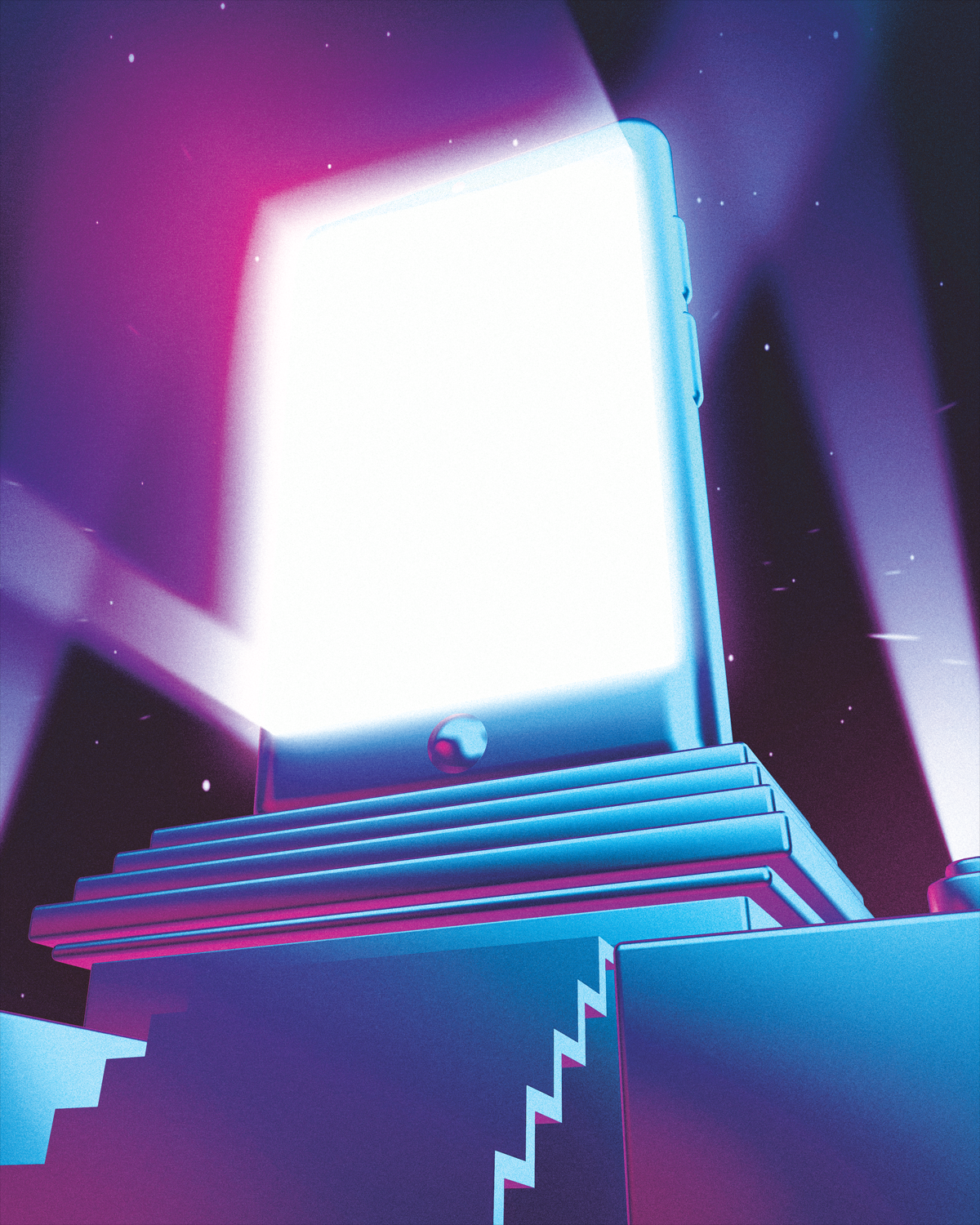
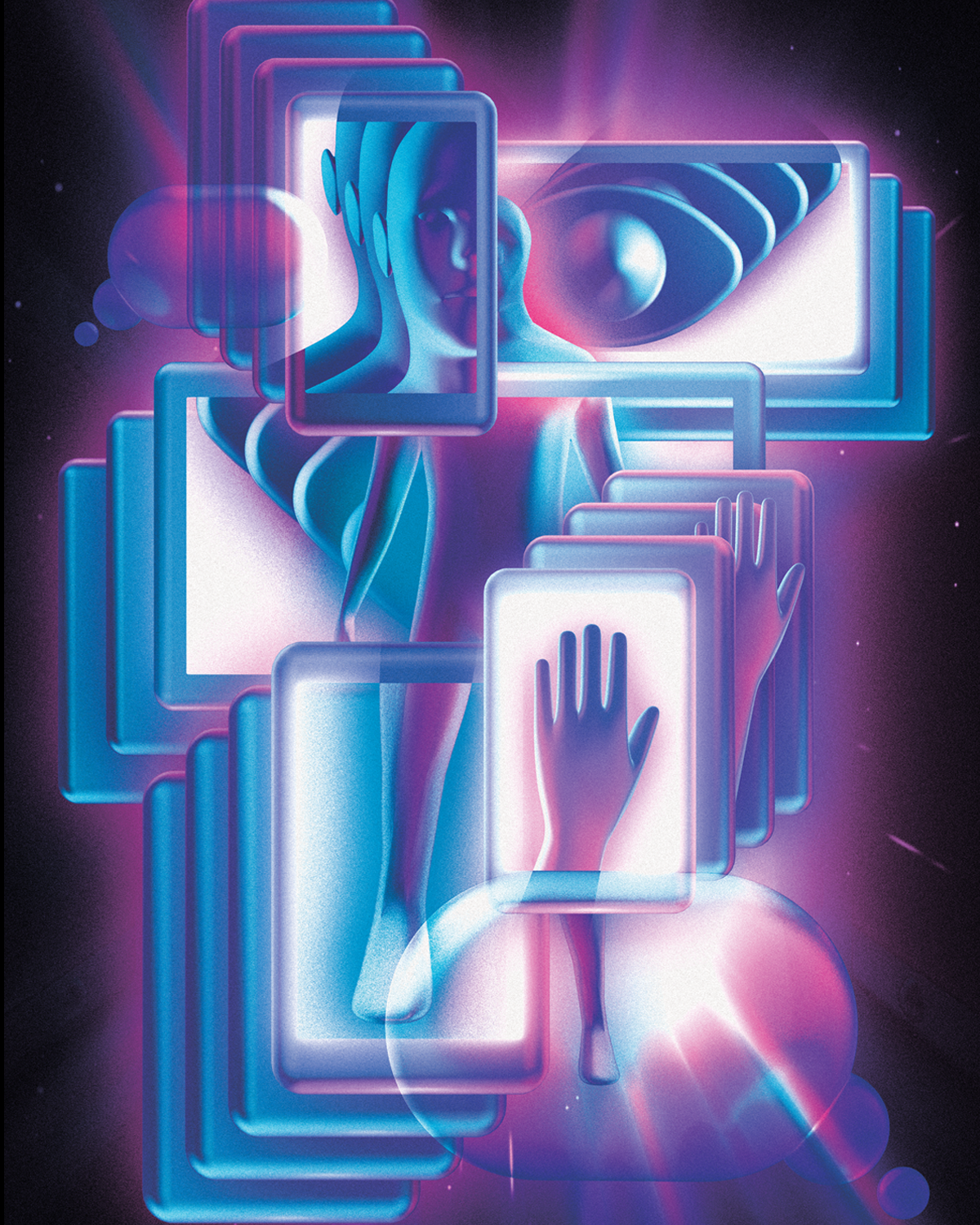
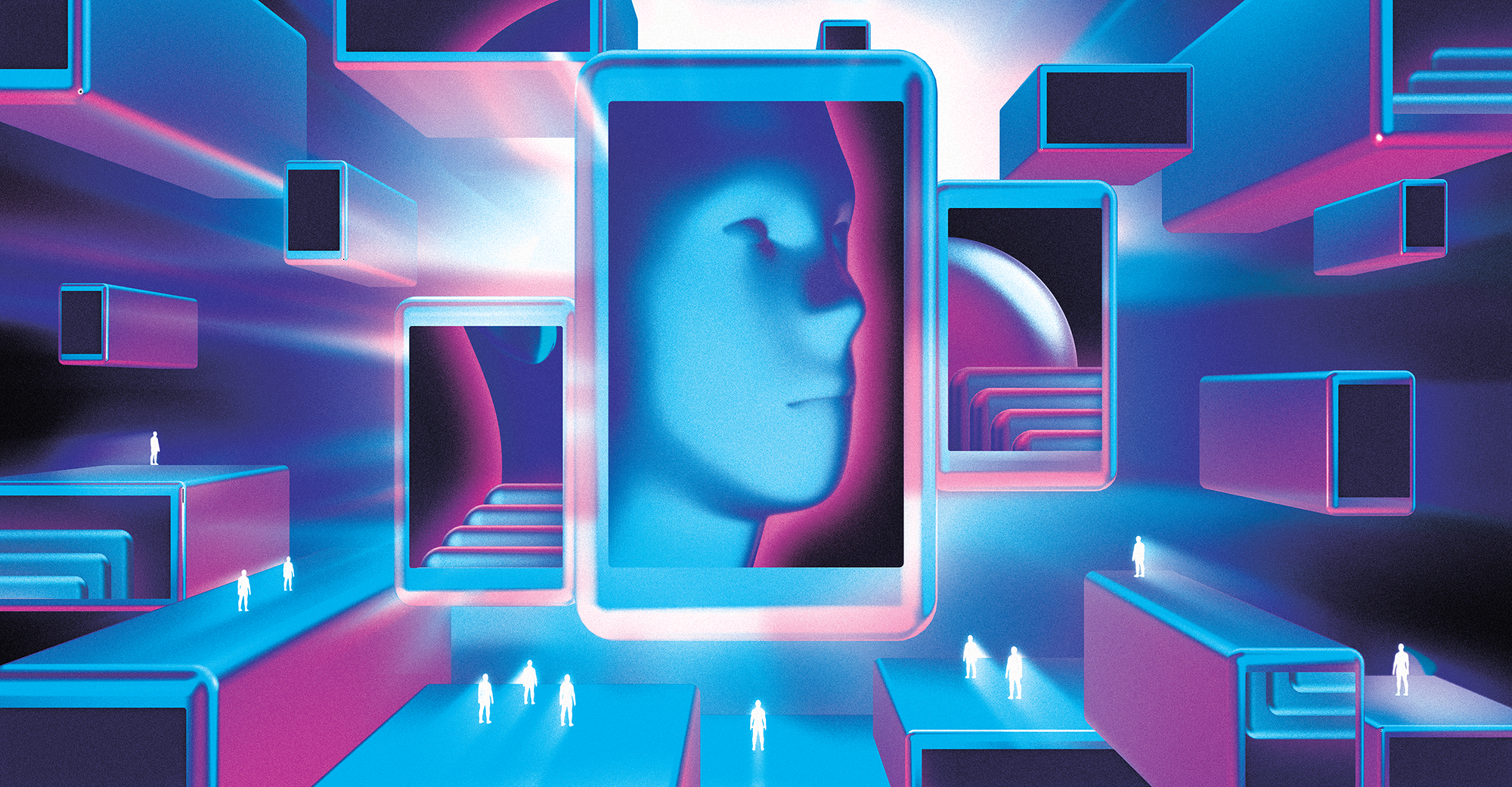
Our constant need for entertainment has blurred the line between fiction and reality—on television, in American politics, and in our everyday lives: Megan Garber's cover story of the March 2023 issue of The Atlantic. As the article outlnes: "By the mid-20th century, the historian Warren Susman argued, a great shift was taking place. American values had traditionally emphasized a collection of qualities we might shorthand as “character”: honesty, diligence, an abiding sense of duty. The rise of mass media changed those terms, Susman wrote. In the media-savvy and consumption-oriented society that Americans were building, people came to value—and therefore demand—what Susman called “personality”: charm, likability, the talent to entertain. “The social role demanded of all in the new Culture of Personality was that of a performer,” Susman wrote. “Every American was to become a performing self.”
While working on the art for this story I wished to step away from the chaos that one might associate with the metaverse, and focus instead on a kind of desert of the self. A big, gleaming nothing, in the midst of a vast darkness. Screen, body, and space gradually coalesce. Reflection, scale, mirroring, light, perspective, and magnitude are at play.
Writer: Megan Garber
Art director: Gabriela Pesqueira
Image, animation: Shira Inbar
Published in The Atlantic
Art director: Gabriela Pesqueira
Image, animation: Shira Inbar
Published in The Atlantic
“Life in the metaverse brings an aching contradiction: We have never been able to share so much of ourselves.
And, as study after study has shown, we have never felt more alone.”
MTV ID: The Third Eye
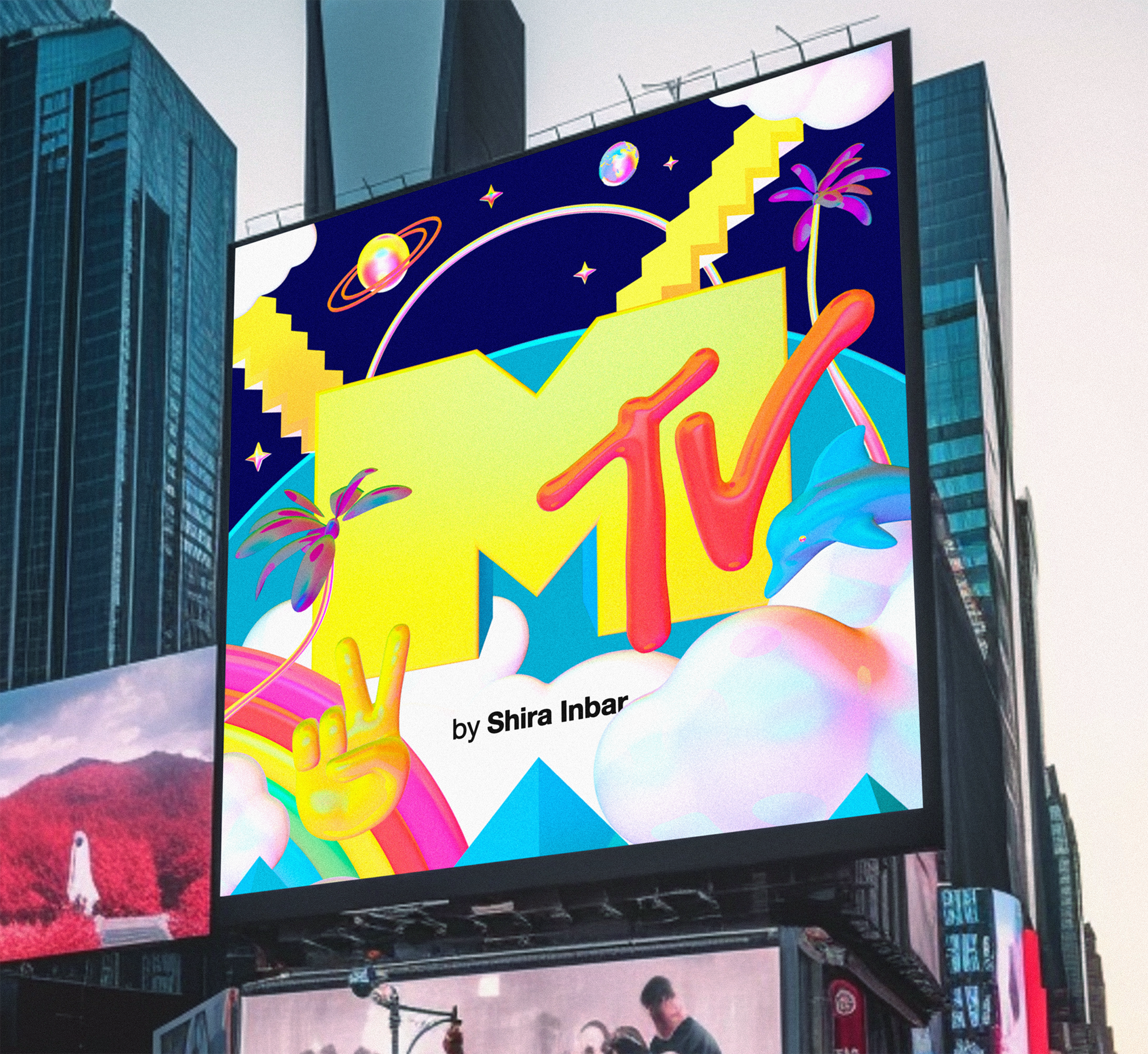
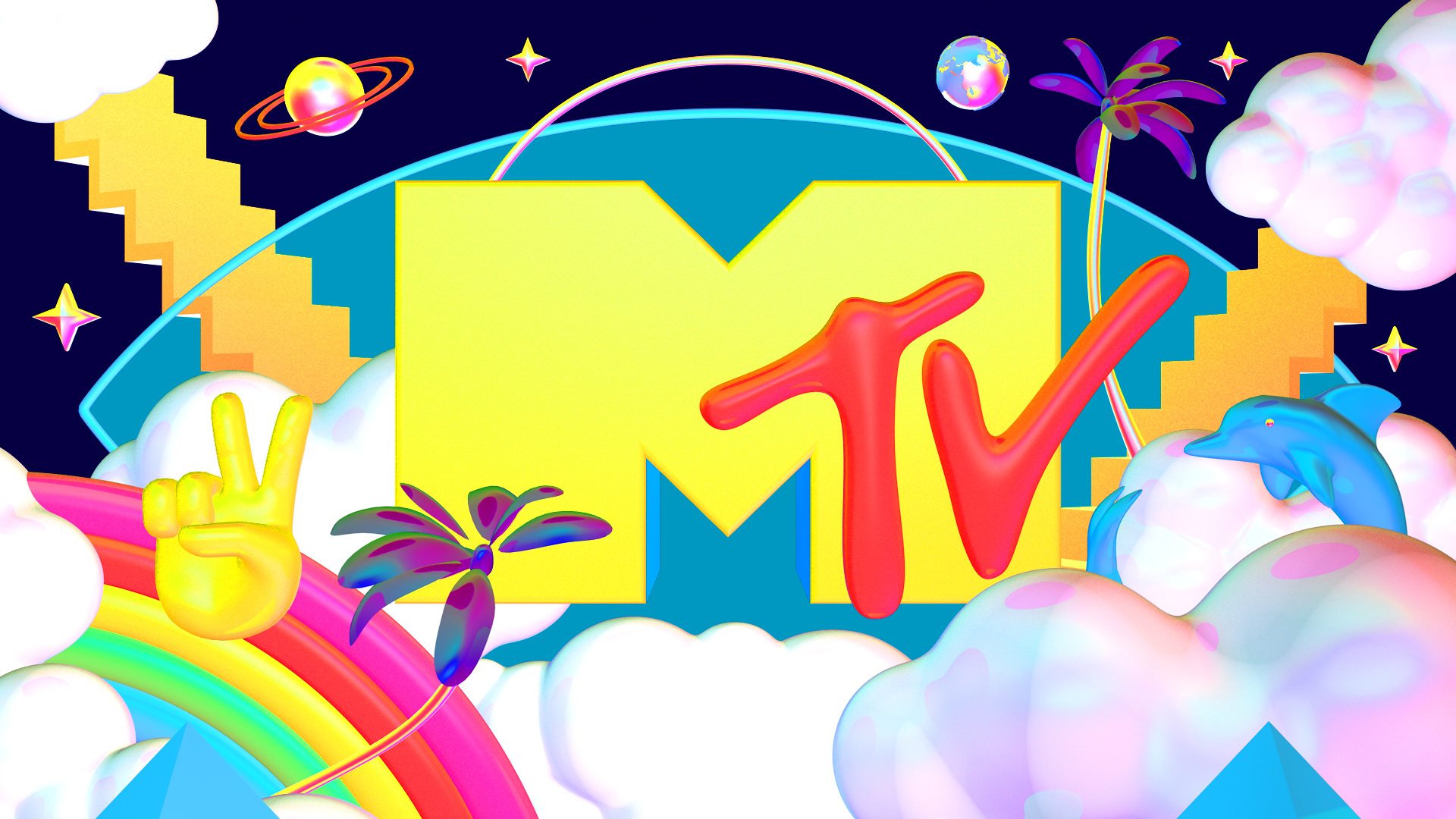
To mark and celebrate MTV’s 40th birthday, I was invited to create an MTV ID that identifies and ignites the audiences that will fuel the channel's next 40 years. In response, I illustrated and animated an MTV ID that takes the viewer through the third eye, symbolizing a sense of higher consciousness, self-direction, intuition, and empowerment: both of the audience and of MTV as a cultural force. From escapism to activism, this flythrough imagines a landscape in which elements from the sky and stars, the earth, the sea and wildlife exist side by side, over and under, near, far, above, and beyond.


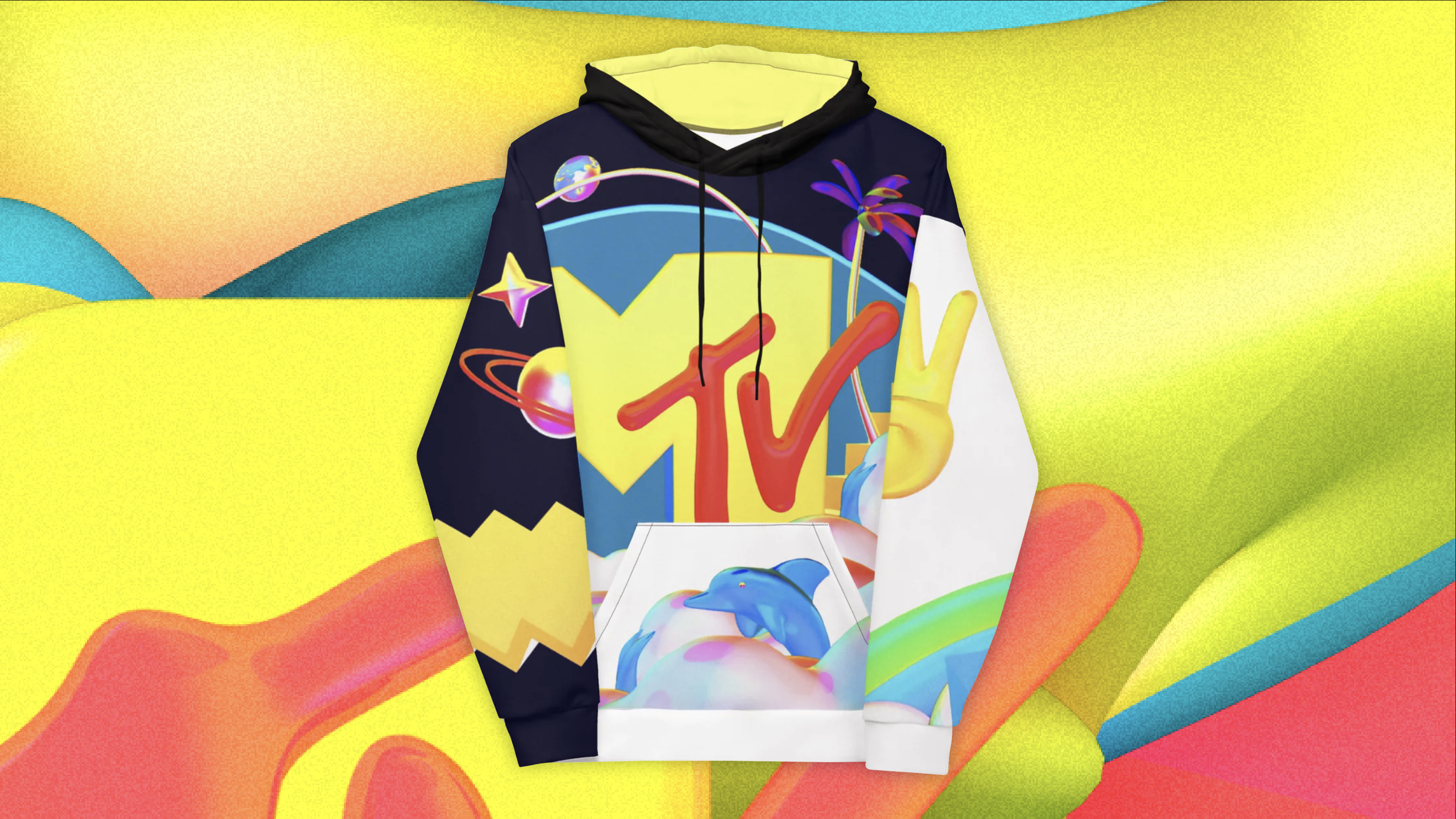
Client: Paramount Media Networks
Creative Director: Rich Tu
Illustration, animation, sound edit: Shira Inbar
Producer: Nadgia Dixon
Creative Director: Rich Tu
Illustration, animation, sound edit: Shira Inbar
Producer: Nadgia Dixon
You Are the Object of a Secret Extraction Operation
In her guest essay in The New York Times Sunday Review, psychologist and philosopher Shoshana Zuboff outlines how surveillance capitalism is the dominant economic institution of our time, with countervailing law being nearly non-existent. Amidst the calls to regulate surveillance empires like Facebook, Google, Microsoft, Apple, and Amazon, Zuboff asks some hard questions: “will the call to ‘regulate Facebook’ dissuade lawmakers from a deeper reckoning? Or will it prompt a heightened sense of urgency? Will we finally reject the old answers and free ourselves to ask the new questions, beginning with this: What must be done to ensure that democracy survives surveillance capitalism?”
With the narrative of extraction in mind, while working on this animated illustration I tried to focus on the idea of our lives, identities, and thoughts as individuals being pulled from us, and processed into bits of data that’s distributed and traded in the vast void of surveillance capitalist empires. With every pulse, and every breath, we emit more fragments of our souls and bodies, and get “sucked” into the surrounding void, endlessly. As the emission goes on, these fragments change color and create their own depth of field, in a way that visualizes the complex and urgent character of this unregulated dispersion of personal information and the threats it poses.
Writer: Shoshana Zuboff
Art director: Jordan Awan
Image, animation: Shira Inbar
Published in The New York Times Sunday Review
Art director: Jordan Awan
Image, animation: Shira Inbar
Published in The New York Times Sunday Review
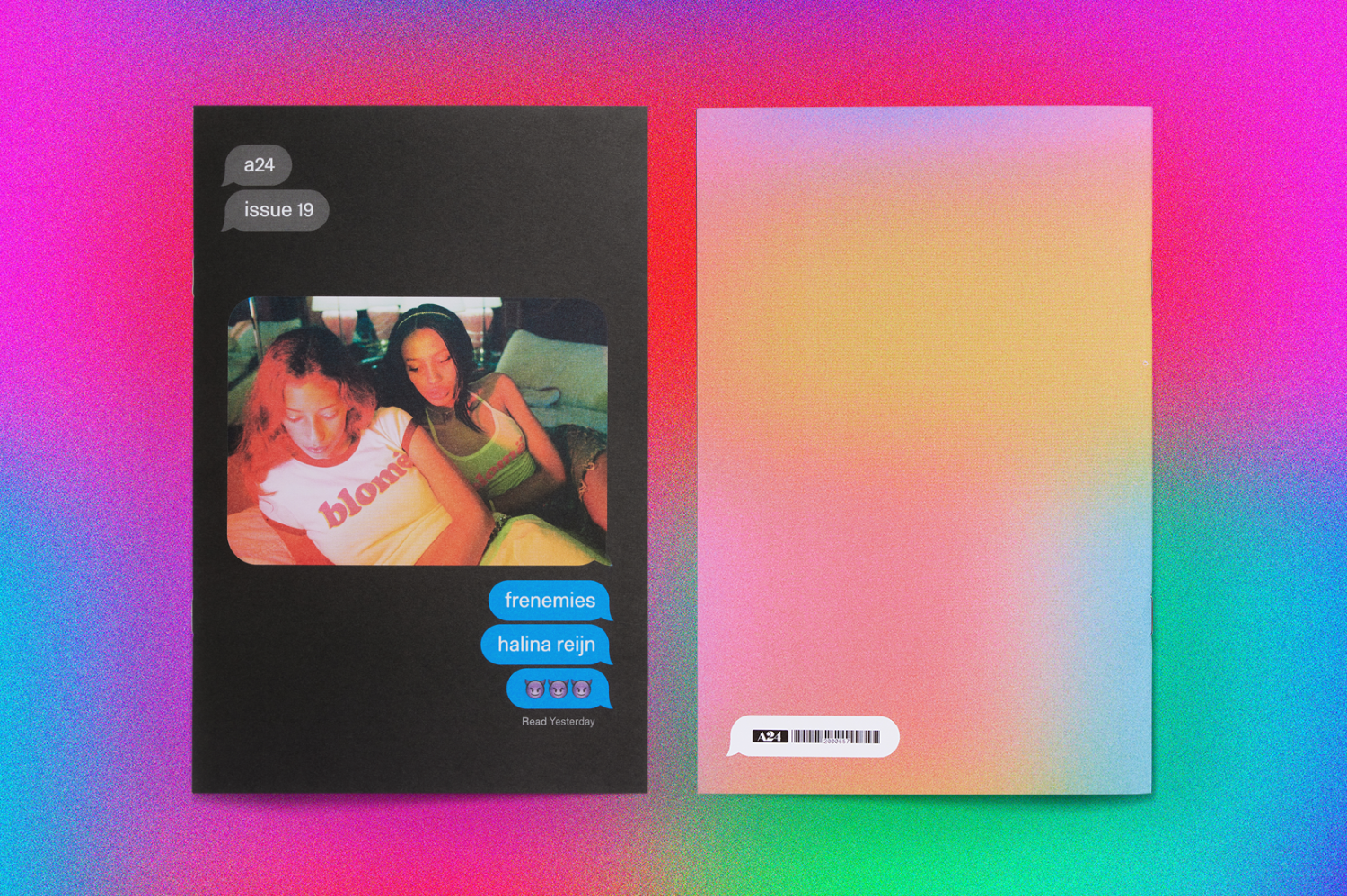
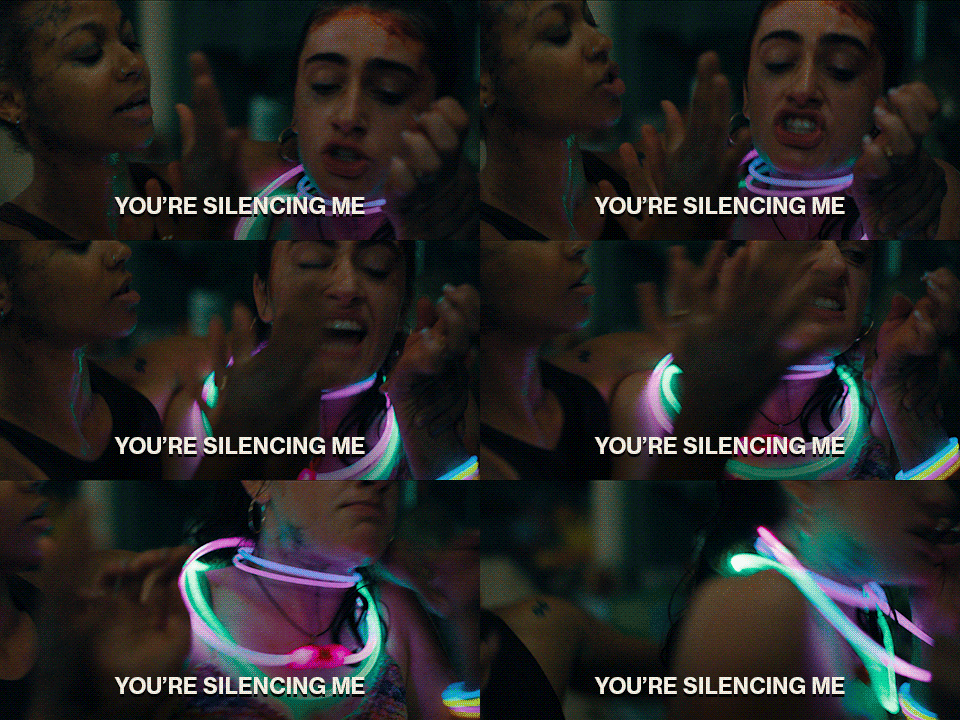
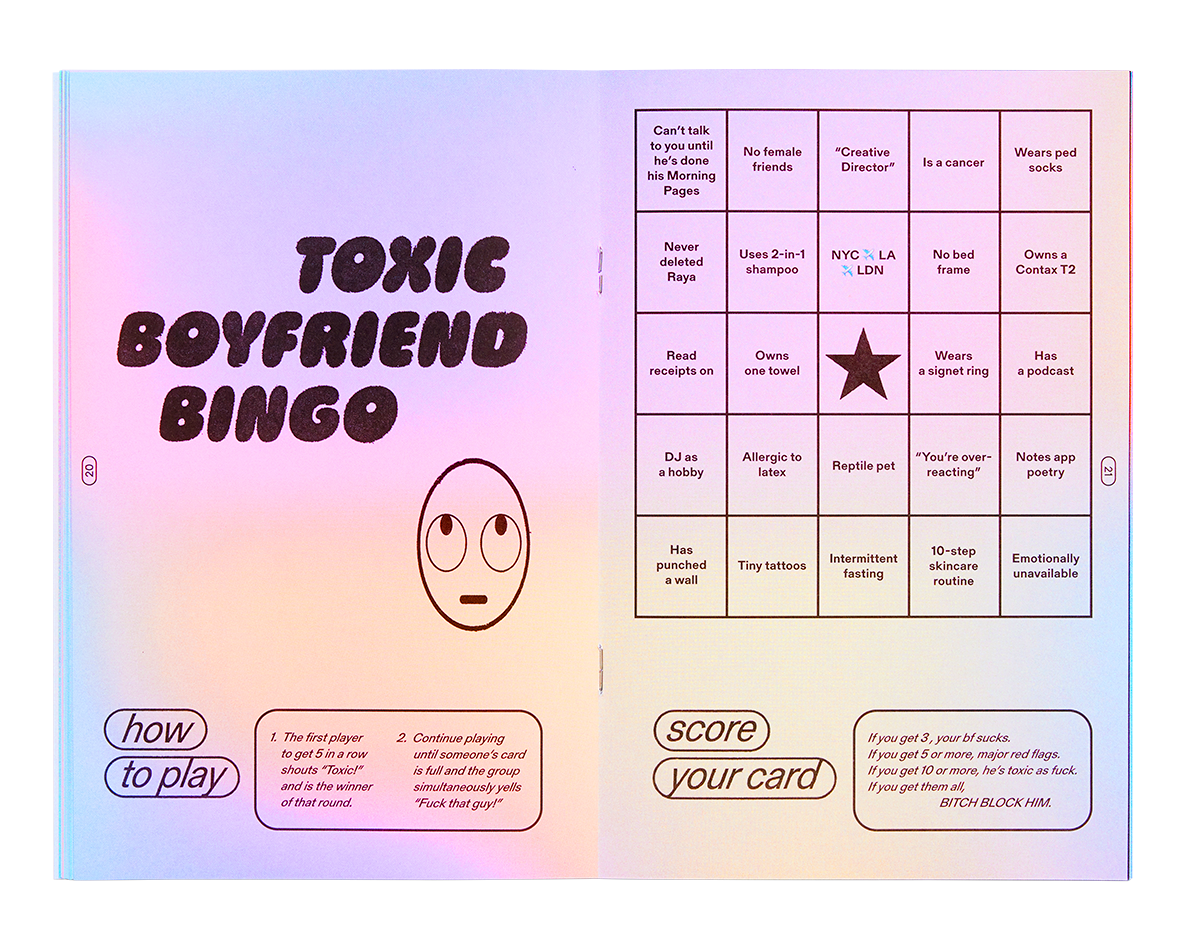
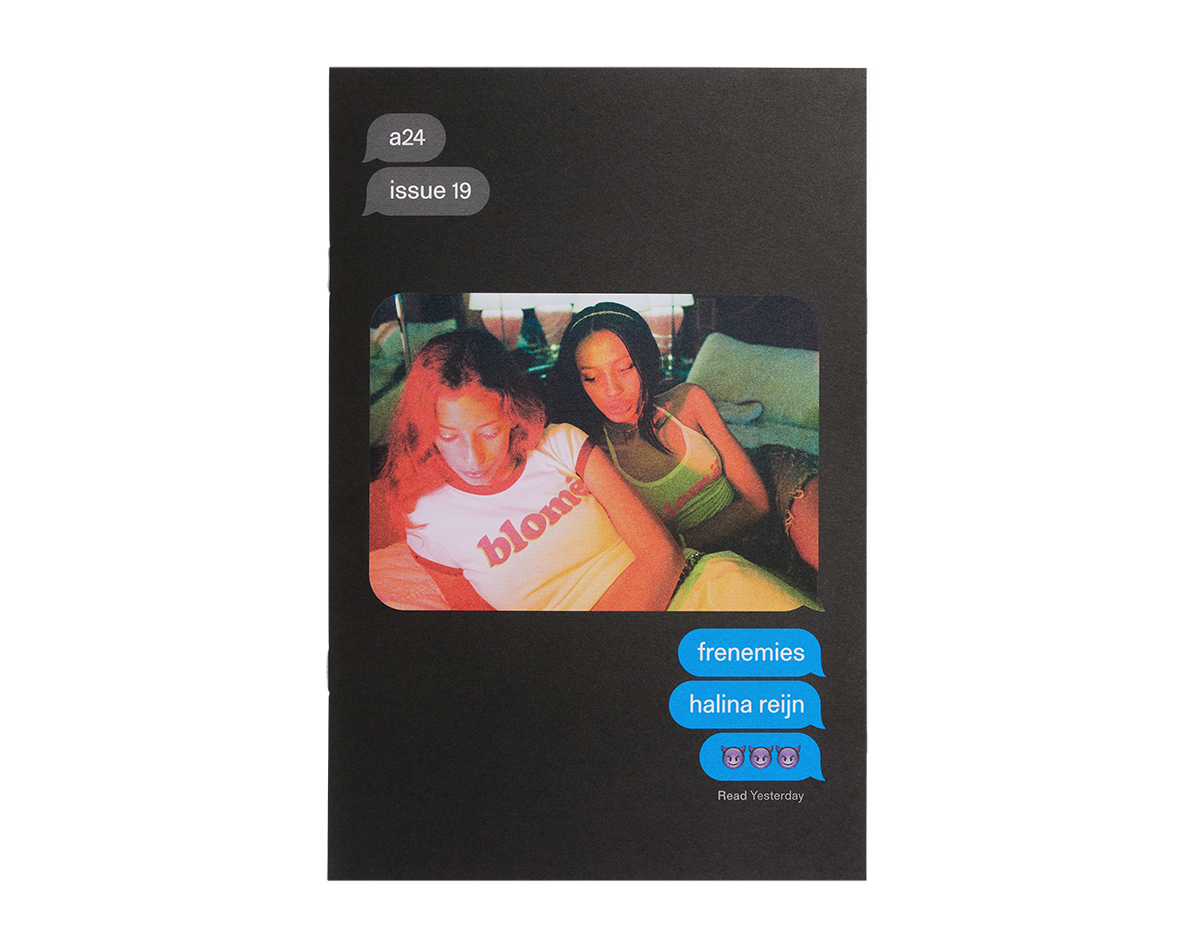
A24 Zine: Frenemies
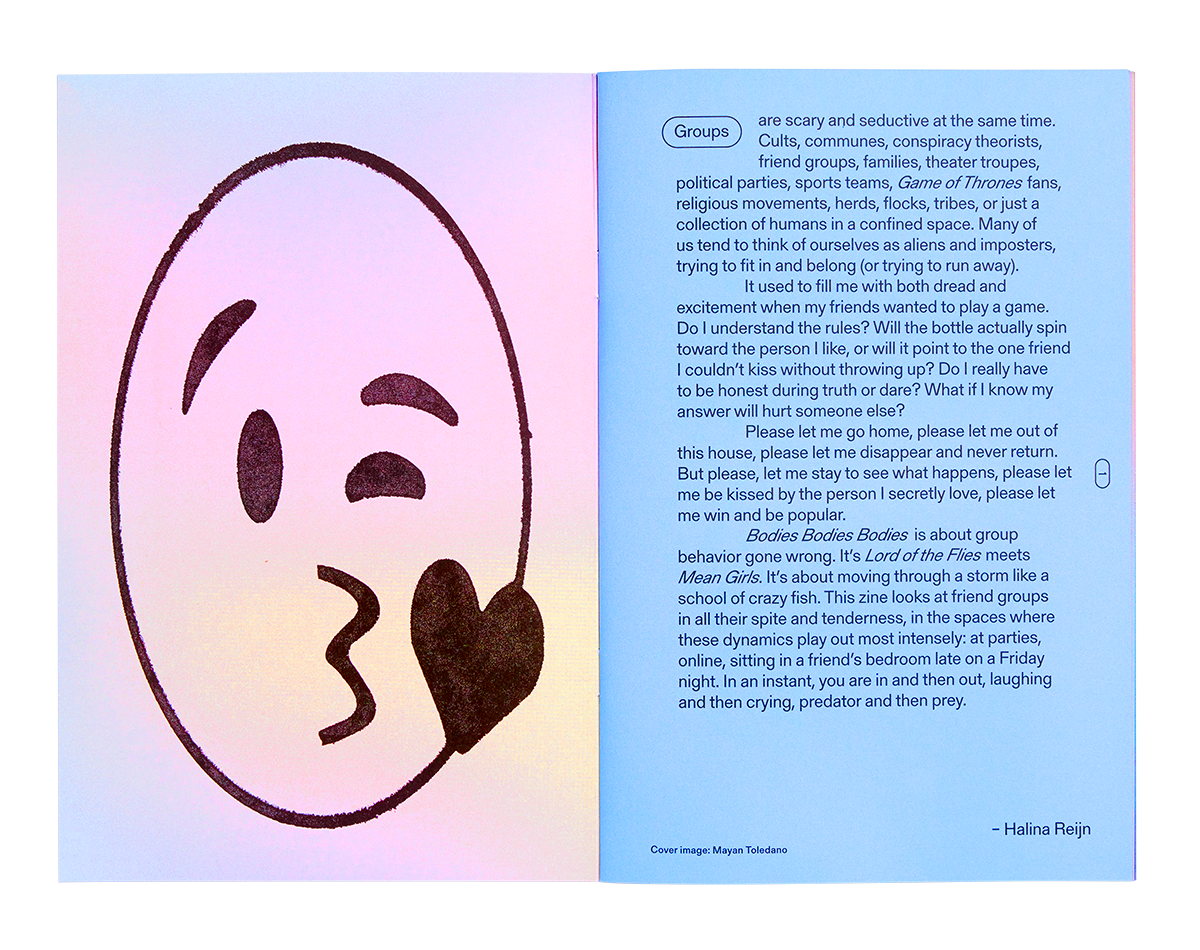
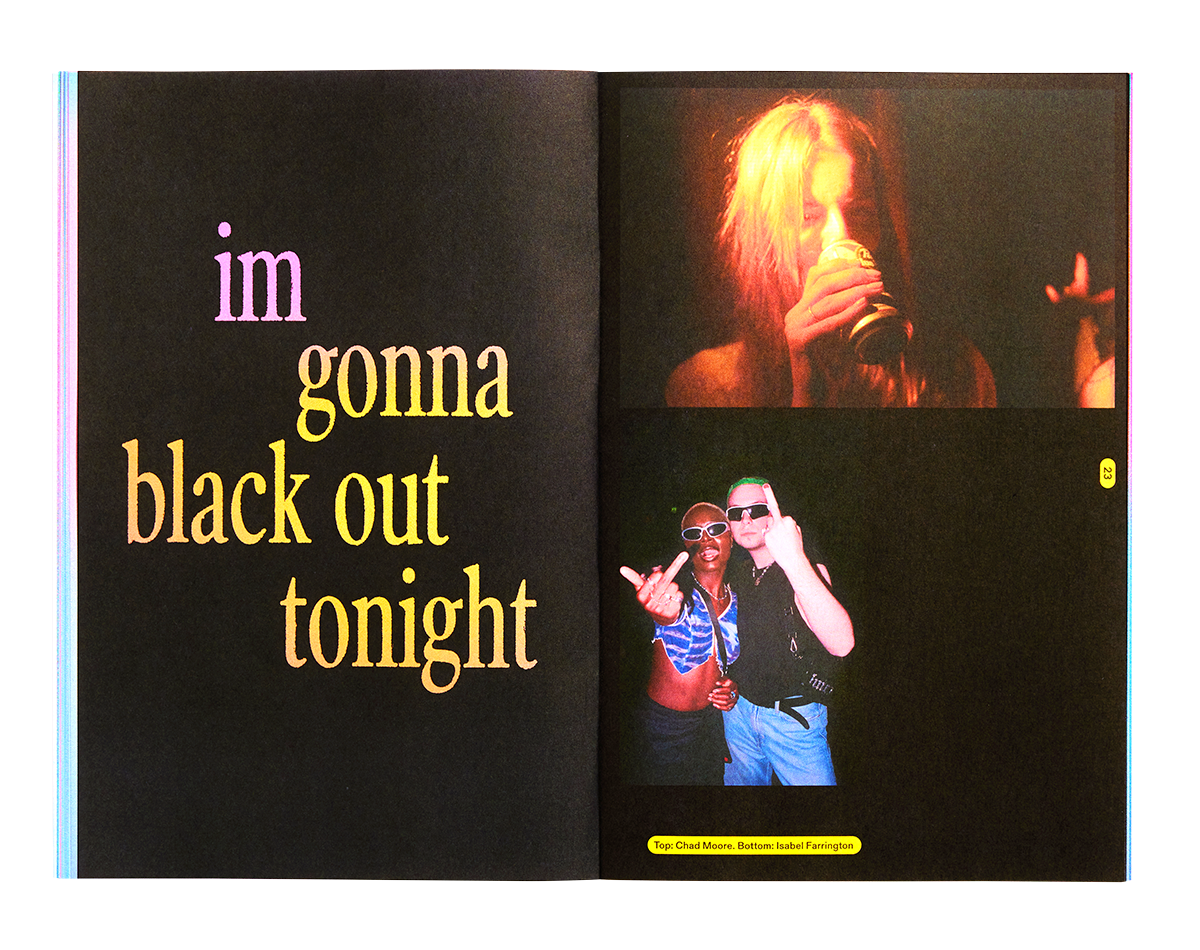
Guest edited by filmmaker Halina Reijn for the release of her film Bodies Bodies Bodies, this zine celebrates the friendships we love, as well as those we love to hate. It features some pretty toxic group chats, games you should definitely not play, pretty feisty TikToks, photography from Mayan Toledano, Larry Sultan, Sandy Kim, Cameron McCool, and some quotes by Nietzsche, for extra drama. As the director’s letter beautifully states: “Groups are scary and seductive at the same time. Cults, communes, conspiracy theorists, friend groups, families, theater troupes, political parties, sports teams, Game of Thrones fans, religious movements, herds, flocks, tribes, or just a collection of humans in a confined space.”
Many of us tend to think of ourselves as aliens and imposters, trying to fit in and belong (or trying to run away). This zine looks at friend groups in all their spite and tenderness, in the spaces where these dynamics play out most intensely: at parties, online, sitting in a friend’s bedroom late on a Friday night. In an instant, you are in and then out, laughing and then crying, predator and then prey.





Client: A24 Films
Edited by Halina Reijn
Head of Publishing: Perrin Drumm
Creative Director: Zoe Beyer
Producers: Kyra Goldstein, Krista Freibaum, Shayan Saalabi
Graphic Design: Shira Inbar
Photography: Mayan Toledano, Larry Sultan, Sandy Kim, Cameron McCool